Wide Legs and Warehouse Floors
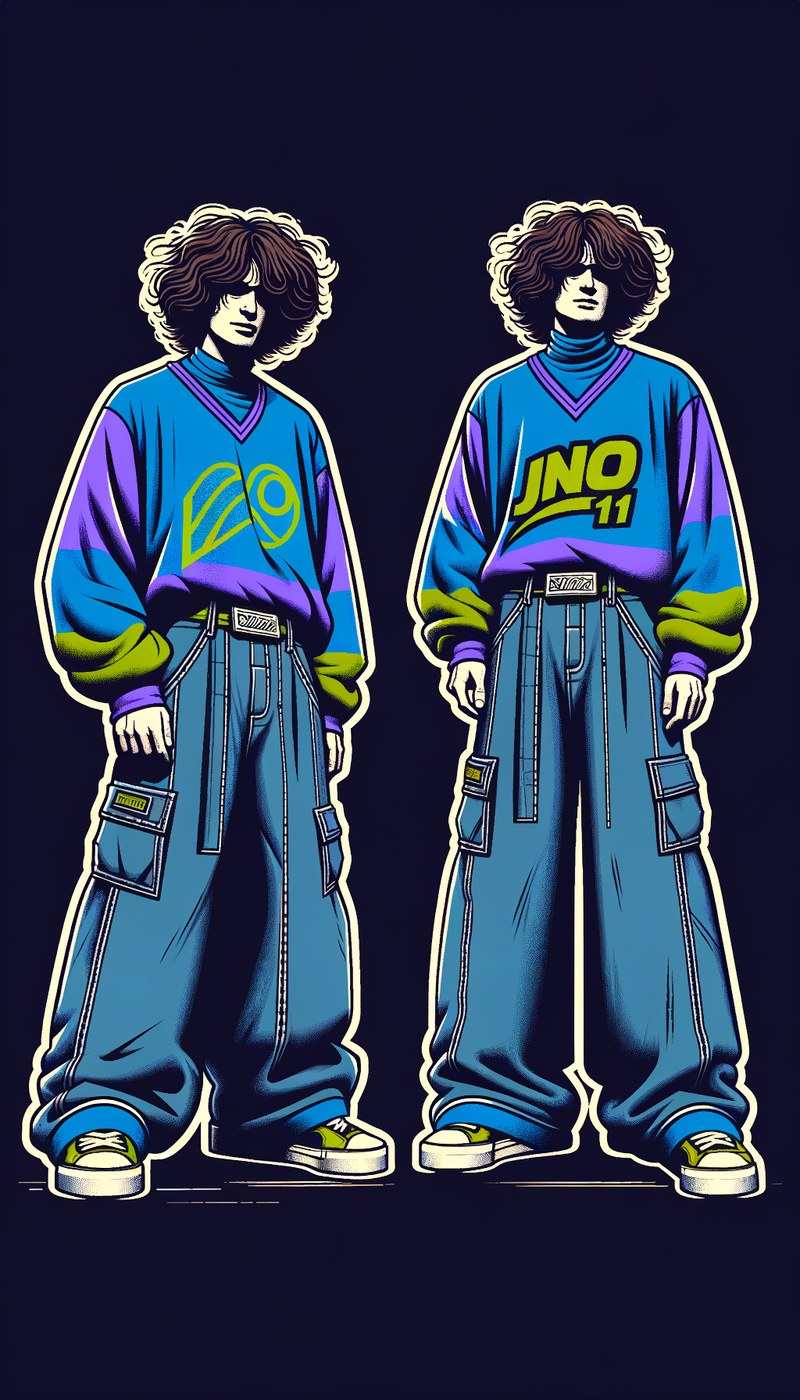
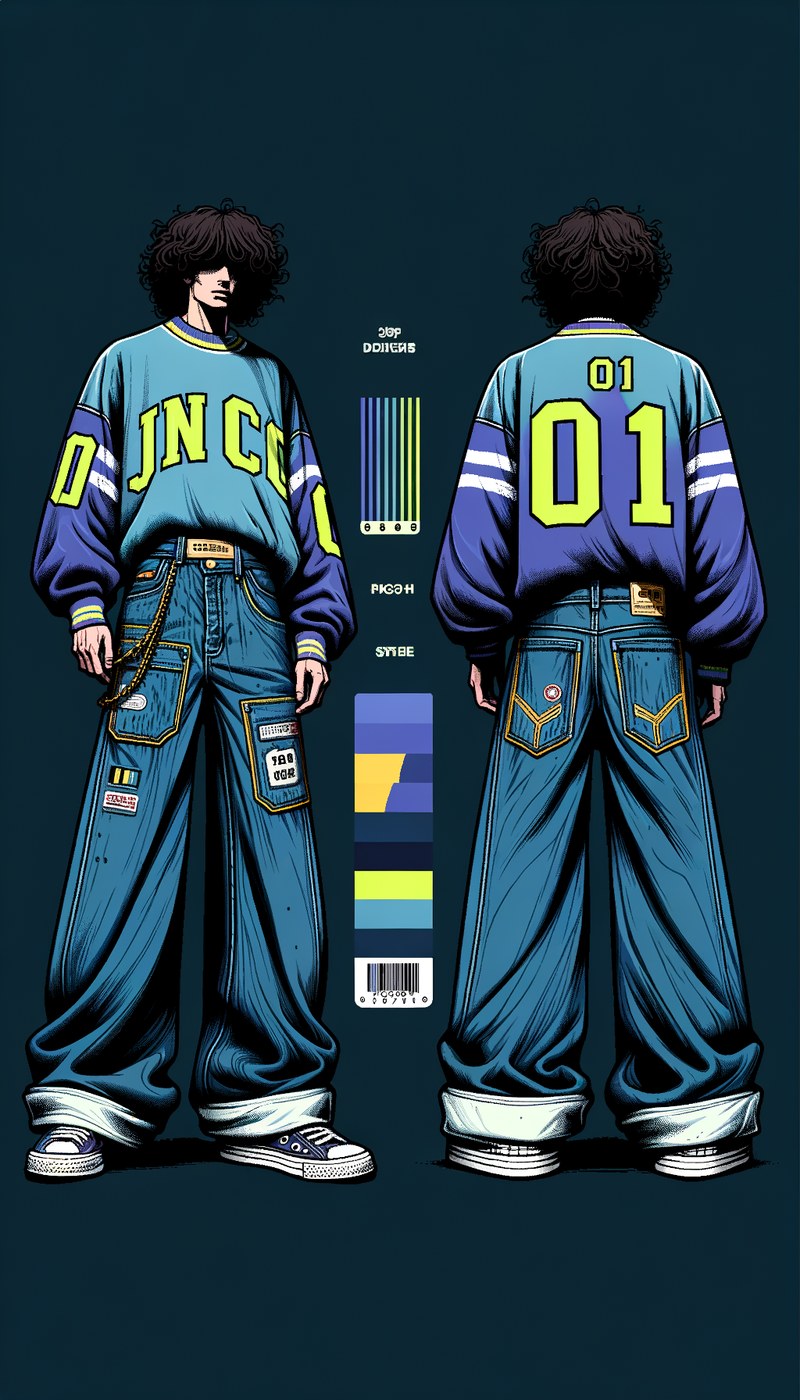
Dimitri grew up in Brooklyn in the nineties, and if you were in Brooklyn in the nineties and you skated, you wore JNCO jeans. You wore UFO pants. You wore gear so wide at the hem it dragged across asphalt — gear so loud in construction it announced what you were before you said a word. That wasn't an accident. That was the whole point.
Skate culture in that era was its own complete world — its own aesthetics, its own hierarchy, its own language. It wasn't fashion in the conventional sense. It was armor. You wore what your crew wore. You wore what said you were part of something the square world didn't understand and didn't want to. The clothes weren't just clothes. They were identity made fabric.
Dimitri skated from junior high through high school, building the kind of muscle memory that stays with you forever — not just how to drop into a halfpipe, but how to read a scene. Who's authentic. What's posturing. The difference between a subculture that's alive and one that's been colonized by brands trying to sell it back to itself. He learned that distinction young, and it never left him.
"The clothes weren't just clothes. They were identity made fabric."
Around the same time, the rave scene was seeping into New York from every direction — underground warehouses in Brooklyn and Queens, the fluorescent madness of the early clubs, flyers passed hand to hand in record shops on Flatbush. Dimitri fell into that world too. And what struck him about raves wasn't just the music. It was the fashion. Rave fashion was doing the same thing skate fashion was doing, but louder. More maximalist. More communal. Furry backpacks and phat pants and glowstick jewelry weren't making anyone look conventionally cool — they were making everyone look like they belonged to something bigger than themselves.
Two subcultures, two parallel languages of dress. Both built around community, counterculture, and the refusal to blend in. Dimitri didn't know it then, but these twin obsessions — skating and raving, the skate park and the warehouse floor — were laying the blueprint for everything that would come later.
The Gap Nobody Was Filling
Fast-forward to the internet era. Digital culture matured fast. Memes evolved from simple image macros and basic reaction images into something genuinely complex — layered references, absurdist humor, in-group shorthand that spread globally at speeds no physical subculture had ever managed. Subreddits became scene reports. Twitter became the skate park. Specific corners of YouTube and Discord and Tumblr became the warehouses where the underground gathered.
Internet culture had built its own world. It had its own icons, its own history, its own aesthetic sensibility. Doge wasn't just a dog photo — it was a worldview. Pepe wasn't just a cartoon — it was a symbol system. Wojak wasn't just a drawing — it was an entire language of emotional states. These things had genuine cultural weight. They meant something real to millions of people who came of age online.
Skate culture had Supreme. Rave culture had its own labels and aesthetics. Punk had an entire visual economy of DIY patches and band tees. Every physical subculture had eventually developed fashion that honored where it came from. Internet culture — despite being the largest, fastest-growing subculture in human history — had nothing. It had novelty tees from Amazon. It had fast-fashion prints slapped on cheap blanks and dropshipped from overseas. It had brands that saw memes as a trend to harvest, not a culture to represent.
That gap was obvious to anyone who'd watched subcultures develop and then get colonized. In the early years of skate fashion, the gear was pure — designed by skaters, worn by skaters, understood only by skaters. Then the mainstream noticed, and suddenly every mall brand was ripping the aesthetic. By the time the culture made it to Target, the people who'd been there from the beginning had either moved on or gotten cynical about it. The same pattern was playing out online. Brands were mining meme culture for content without any genuine connection to it. It felt extractive. It felt wrong.
The insight was simple: internet culture deserved what every other real subculture had eventually gotten — a fashion brand that came from inside it. Not a brand using memes as a marketing tactic, but a brand built on the premise that digital culture is culture. That the people who speak in memes and live in comment sections and grew up native to the internet deserve clothes that reflect their actual identity — made with the same care and craft that Supreme brought to skateboarding or that the best rave brands brought to the underground dance floor.
MemeDrip: The Origin
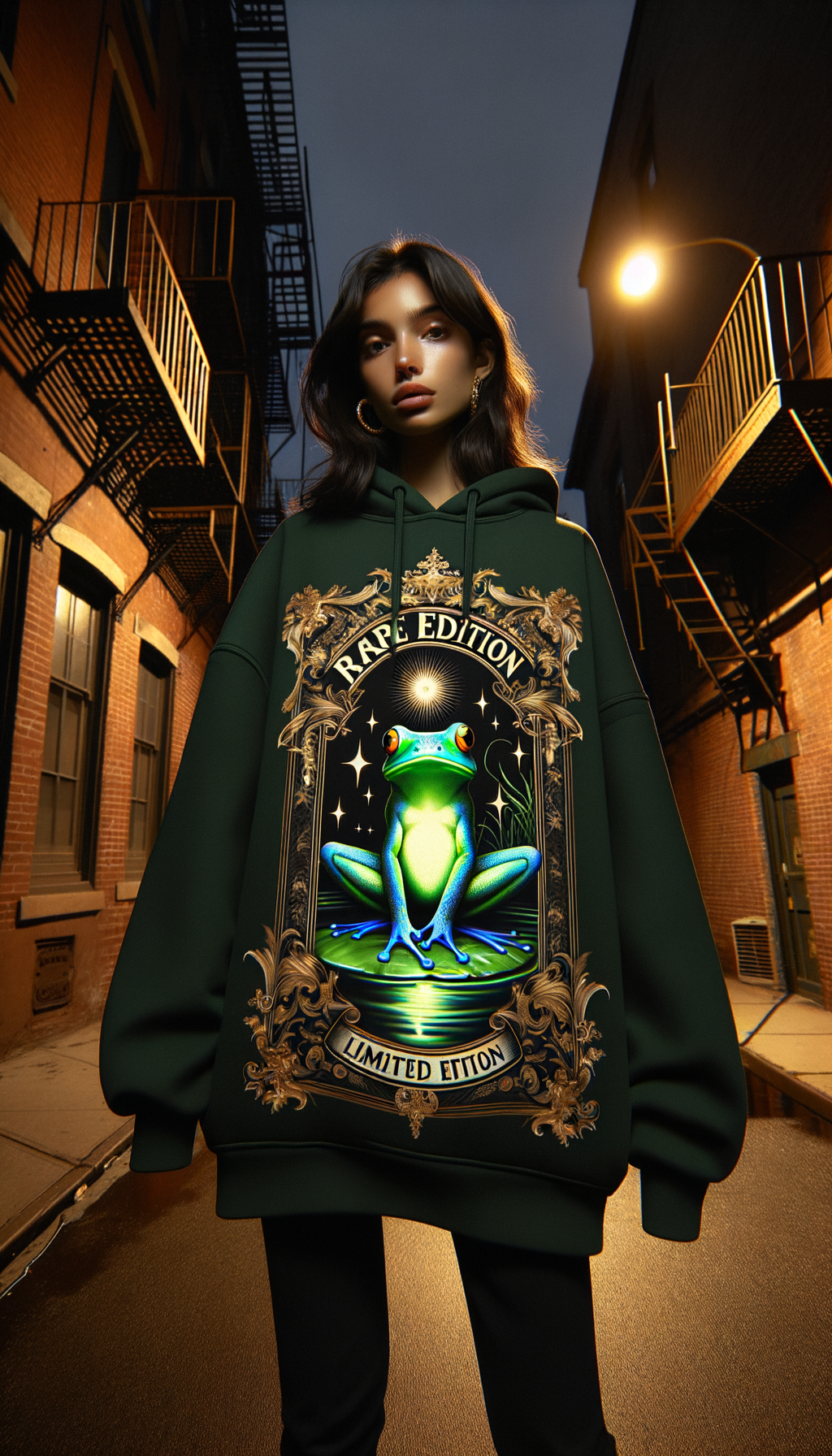
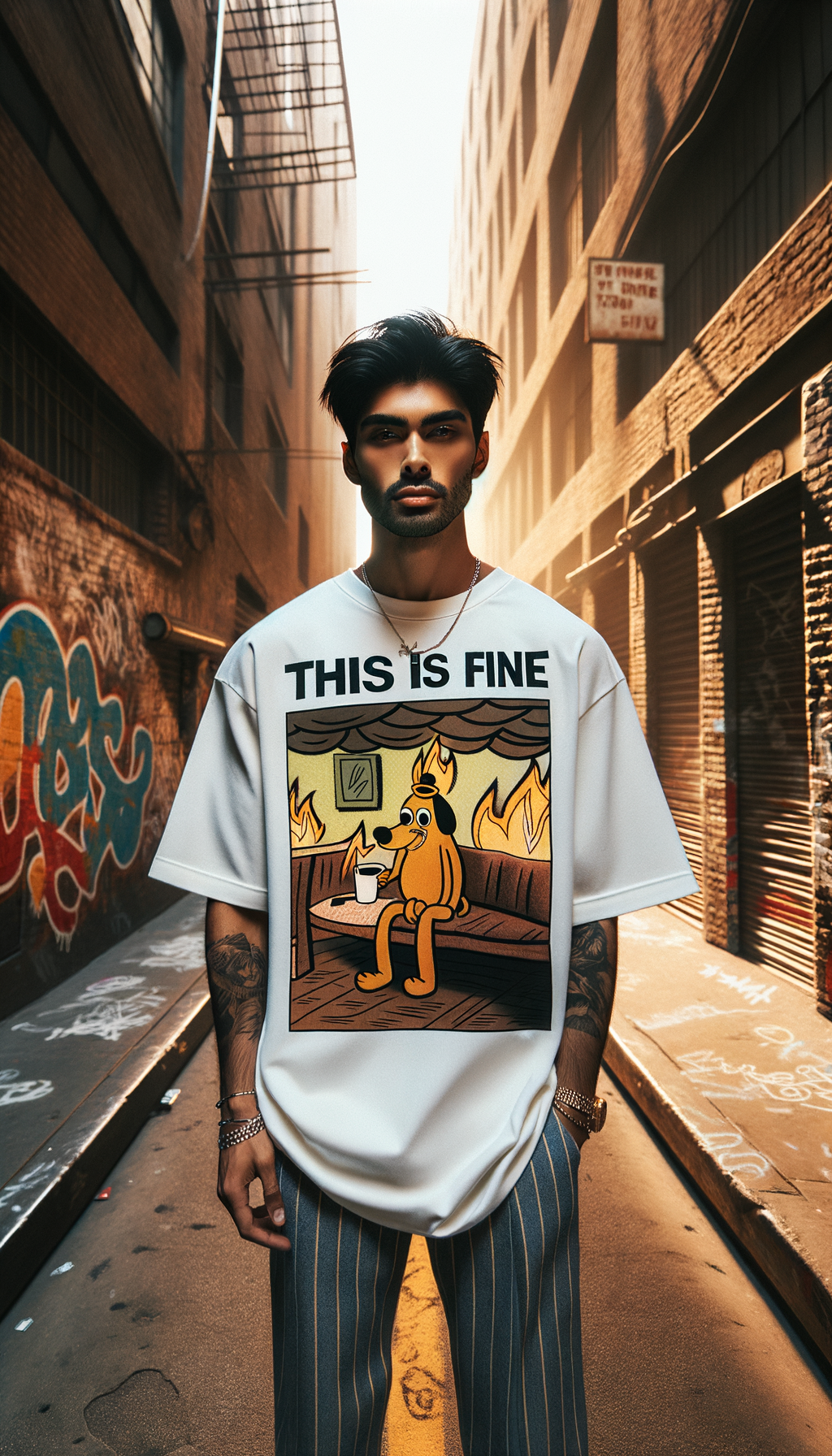
MemeDrip started as a conviction: that premium meme streetwear was a category that needed to exist. Not graphic tees sold by algorithm. Not print-on-demand factories racing to slap the most recent viral image onto a cheap blank and ship it before the trend died. Something real. Something with curatorial intent and genuine craft behind every piece.
The model that made the most sense came directly from the streetwear world Dimitri had grown up adjacent to. The drop model — limited releases, specific themes, building hype and community rather than just moving units — was the natural structure. It's how Supreme operated. It's how early streetwear labels created cultural moments rather than seasonal catalogs. Limited drops meant every piece was intentional. It meant owning a MemeDrip item was participation in something, not just a purchase decision made at a checkout screen.
The name itself was the thesis. Drip — the streetwear vernacular for exceptional personal style — applied to meme culture. The two worlds fused into a single statement. The physical and the digital. Brooklyn and the internet. The skate park and the Discord server. Premium streetwear meets internet culture, and neither one compromises.
"The digital and the physical aren't separate worlds. They're the same world expressing itself in two forms."
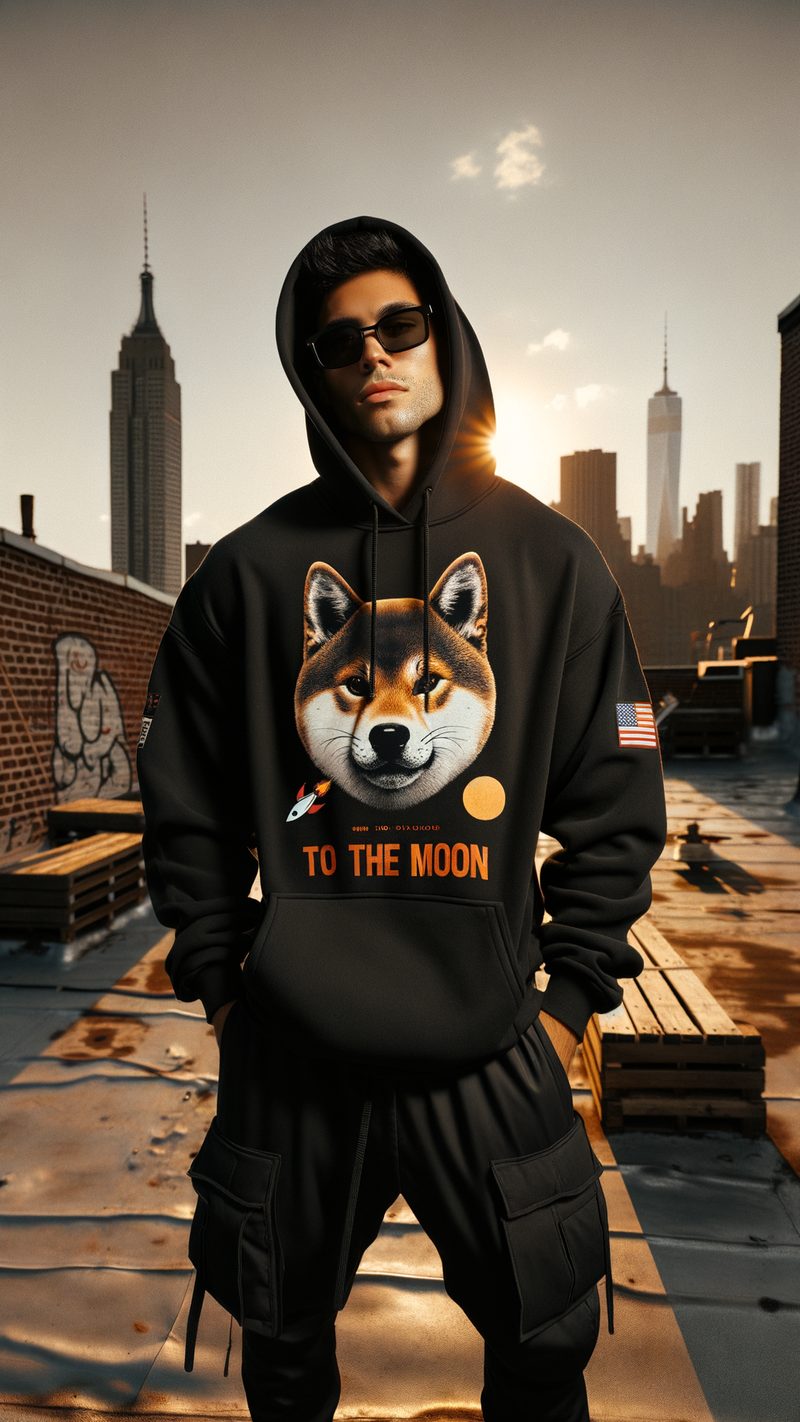
On the craft side, the commitment was clear from day one: no cheap blanks. Every MemeDrip piece uses premium heavyweight cotton — the kind that hangs right, washes right, and holds its structure across years of wear. Direct-to-garment printing, done properly, produces colors that stay vivid wash after wash. The prints are detailed and precise, because the imagery demands it. You cannot do justice to internet culture with a two-color screen print on a thin poly-cotton blend. The work requires quality materials. The culture deserves quality materials.
The Drops
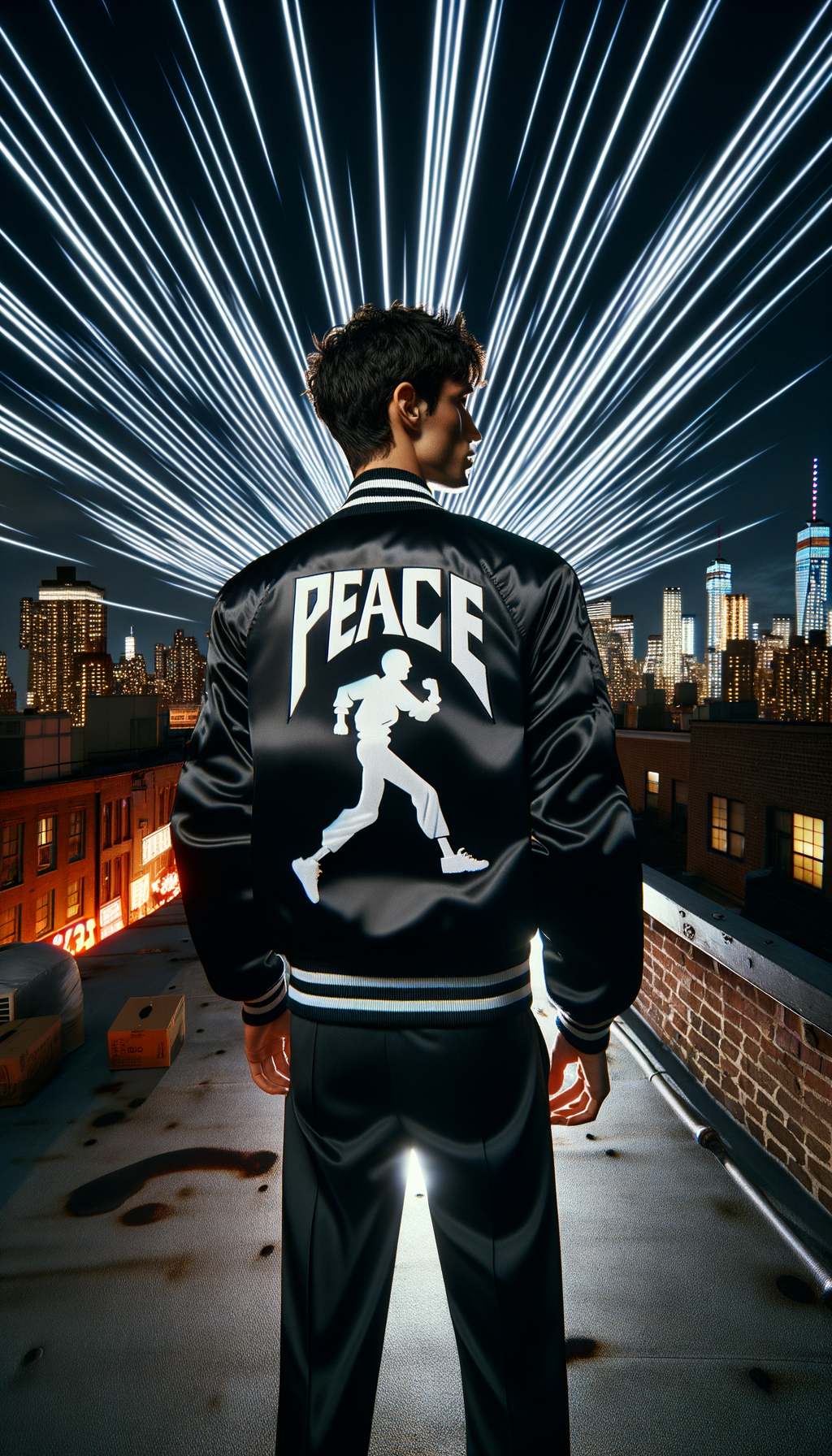
MemeDrip releases its collections in themed drops — each one a curated moment rather than a catalog update. Every drop is a statement about where internet culture is and where it came from. Once a drop is gone, it's gone. That's not artificial scarcity; it's the structural logic of how every meaningful subculture fashion has always worked.
Each drop is limited by design. The scarcity is structural, not manufactured. It mirrors the subcultures that built this brand. You show up for the drop or you miss it. That urgency isn't hype engineering — it's how exclusivity has always worked in genuine underground culture. The people who are actually in the culture find a way to be there.
The Community
What MemeDrip is building isn't a product line. It's the fashion brand that internet culture should have had from the beginning — the equivalent of what Supreme was to skating in the mid-nineties, or what the best rave fashion was to the underground dance floor. A brand that emerges from the culture rather than mining it from the outside.
The customers who find MemeDrip aren't responding to an algorithm-optimized ad for a cheap meme hoodie. They're recognizing something that speaks their language — the language of people who came of age online, who communicate in references and reaction images, who understand that a well-executed meme isn't just a joke but an entire compressed worldview. When they see a MemeDrip piece, they're not looking at premium internet culture clothing as a novelty. They're looking at something that actually represents them.
These are global customers. Internet culture doesn't have a hometown in the way that skating had California or raves had Manchester. A MemeDrip customer in Seoul and a MemeDrip customer in São Paulo and a MemeDrip customer in Berlin are all part of the same culture — the same shared references, the same in-jokes, the same digital heritage. That's one of the things that makes this brand genuinely different from the physical subculture brands that inspired it. Meme streetwear is inherently international, inherently borderless, and inherently native to the internet in ways that prior subcultures could only approximate.
Give internet culture the fashion brand it deserves. Premium quality, curatorial intent, built by people who actually live in the culture — not brands that see it as a quarterly revenue opportunity. Every piece MemeDrip releases is the answer to the question: what would this look like if someone who actually cared got involved and built it right?
Where We're Going
MemeDrip is building toward something bigger than individual drops. The vision is a brand that ages with internet culture rather than exploiting it — that can look back in twenty years the way you look back at early Supreme gear, or at a vintage rave flyer from 1994, and recognize it as an artifact of a real cultural moment rather than a trend cash-in. Brooklyn streetwear sensibility, internet soul, premium execution.
That means continuing to develop the drop model with increasing ambition. More complex garment construction. Collaborations with artists and creators who are actually embedded in internet culture. Seasonal collections that document where the culture is at a specific moment, the way great photography captures the light at a particular hour. Each future drop will push what premium meme fashion can be.
It means expanding the community — finding the MemeDrip customer in every country, every city, every corner of the internet where people are building their identities around digital culture. The brand's growth mirrors the growth of internet culture itself: organic, international, built on genuine recognition rather than manufactured reach. You can't fake your way into this community. You either speak the language or you don't.
And it means maintaining the uncompromising commitment to quality that separates MemeDrip from the commodity tier. Premium heavyweight meme streetwear, printed with precision, designed with curatorial intent and genuine love for the culture. The internet culture clothing category exists because we decided it should. The standard it operates at is ours to set and ours to maintain.
Dimitri came up in Brooklyn. He wore JNCO jeans to the skate park and drove across the borough to warehouse raves that didn't have proper addresses. He watched two subcultures build complete fashion identities from nothing — and he understood what made those identities real, what made them last, and what happened when outside brands tried to appropriate them without earning the right. He brought all of that understanding to the internet, because the internet is the third great subculture of his lifetime — and this one needed its own brand built from the inside out.
That's MemeDrip. Brooklyn roots. Internet soul. Drop-based releases. Premium quality. This is what it looks like when someone who actually grew up in the culture decides to build the brand it deserved all along.